
Whoa!
I remember opening my first Solana wallet and feeling oddly relieved. It was quick, like ordering coffee in Brooklyn and getting it before you can sit down. My instinct said this was different right away; the UI moved without lag, transactions popped almost instantly, and somethin’ about that speed just felt right. Longer story short—after a few test txs and a tiny NFT buy—the convenience stuck with me, though some parts still bug me.
Okay, so check this out—Phantom is the browser extension I kept coming back to when I wanted a no-friction way to interact with DeFi and NFTs on Solana. Seriously?
Yes, seriously. The extension neatly sits in your toolbar, manages accounts, and integrates with marketplaces and dapps in a way that doesn’t make my coffee go cold. Initially I thought a wallet extension would be clunky, but then I realized it can be elegant and useful if done right—Phantom pulls that off with a clean UX and sensible defaults.
Here’s what bugs me about many wallets though.
They either pretend security away or bury it under layers of complexity that make users click yes without really reading. On one hand, usability matters a lot—people won’t use something cryptic. On the other, you’re literally guarding digital value, so sloppy security is unacceptable. My approach has been pragmatic: balance user-friendly flows with clear prompts for backups and hardware-wallet support.
Really?
Yep. And I learned that the hard way when a friend lost access after not saving their seed phrase. Not fun. Honestly, that experience changed how I recommend wallets to people. I now emphasize a few principles: back up your seed, use hardware for larger amounts, and check the permissions a site asks for before approving. On Solana that can mean the difference between a tiny oops and a full-on nightmare.
On the tech side, Solana’s transaction throughput is remarkable, and that changes how extensions behave. Transactions confirm in seconds rather than minutes, which makes dapp interactions feel native. But here’s the trade-off—fast networks often lure people into approving actions without thinking. Hmm…
What to watch for.
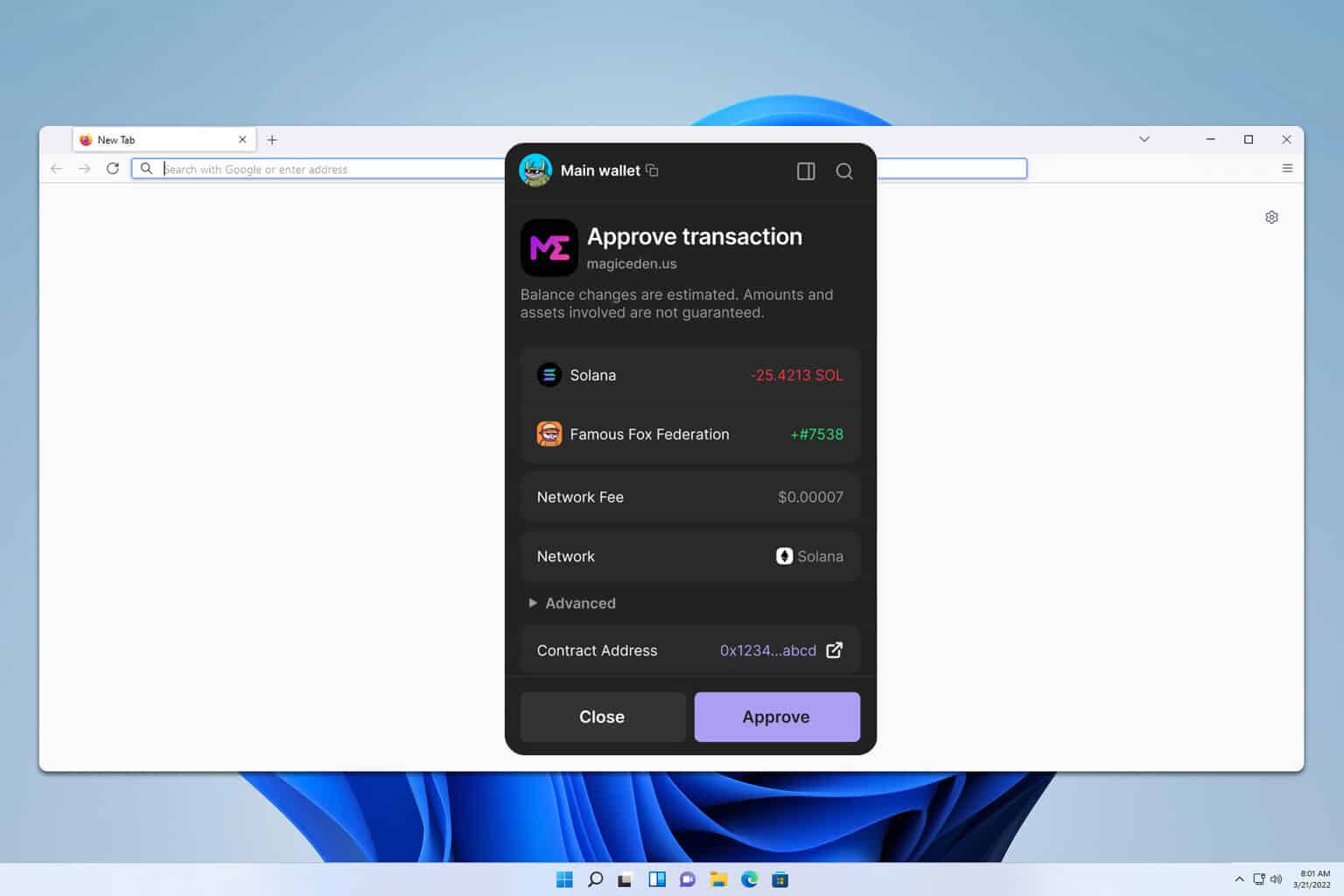
Phantom asks for permissions when a dapp wants to connect, and it shows each signature with details. However, not all users read every line. My instinct says: treat approvals like signing a check. Read the memo. If something feels off, pause. Actually, wait—let me rephrase that: pause and double-check the requesting website URL and the exact action you’re approving.
Here’s a tiny checklist I’ve started recommending to folks who are new to Solana wallets.
1) Install the extension from a trusted source. 2) Create a strong password for the extension. 3) Write down your seed phrase offline—no screenshots, no cloud notes. 4) Use smaller amounts in an extension and move bulk funds to hardware wallets. 5) Review transaction details before signing. These are simple steps, but they help a lot.
Contents
How I actually use Phantom—and where the extension shines
I’m biased, but Phantom nails the daily UX for NFTs and DeFi on Solana. I keep a main account for buying small NFTs, a couple of burner accounts for testing dapps, and a cold stash that sits offline for long-term holdings. When I’m minting or swapping, the extension’s popup is quick and clear, and the in-extension token view helps me keep track without diving into explorers every five minutes.
One thing I appreciate: the integration with SOL tokens and SPL tokens feels native. The token list is handy and the NFT gallery is decent for quick browsing. Also, the developer tools for redirecting dapp requests are sensible, though not perfect—some advanced flows can still be confusing if a dapp asks for program-specific approvals.
My instinct said the marketplace UX would be messy, but it wasn’t.
On a recent Saturday I minted a project during a gas spike and the confirmation was nearly instant. I was halfway through my coffee—no exaggeration—by the time the mint showed up. That small speed is a behavioral shift; people buy more when friction is low. Which is great for creators, but it also means we need better in-wallet education because impulse buys happen fast.
Seriously?
Yes. And real quick—if you want to try Phantom, the extension is available for download and works with major browsers. For a safe start, use the official link: phantom wallet download extension. Take it slow the first time—create a test account, send a tiny amount, and get comfortable. I tell people: treat the first week like onboarding—try small actions, see how confirmations look, and get used to the signature popups.
Now for the parts I would change.
The extension could do more to teach users about program-level permissions and show clearer warnings for unusual requests. On one hand, too many warnings cause fatigue. On the other hand, a single clear modal explaining “what signing this lets the dapp do” could reduce risky approvals. Initially I thought pop-ups were sufficient, though actually it turns out people glaze over modal text if it’s too dense.
Also, multi-account management is decent but not seamless across devices. If I had a small wish list, cross-device session management and better hardware wallet prompts would be top of it. (Oh, and by the way…) most users don’t realize hardware wallets are now much easier to use with extensions—just connect and confirm. It’s a huge safety upgrade for not much extra effort.
Here’s a small, practical walkthrough I use when teaching friends:
Install the extension. Create a password. Write down your seed phrase on paper and store it somewhere safe. Send 0.01 SOL as a test. Connect to a well-known marketplace. Approve a small transaction. Check your transaction on a Solana explorer to see how it appears. That step—verifying on-chain—teaches people a lot about how approvals map to actions.
I’m not 100% sure everything will work flawlessly forever.
Blockchains and wallets evolve fast, and threats change too. But this ecosystem is improving, and honest tools like Phantom are part of that positive arc. I’m careful to tell people: don’t trust anyone who asks for your seed, and if a site prompts for unusual program approvals, back out and ask in-community channels first. That simple habit has stopped more than one potential mistake for me and others.
Common questions I hear at meetups
Is Phantom safe for NFTs and small DeFi trades?
Yes, for small to moderate activity it’s convenient and generally safe if you follow basic security practices—use strong passwords, back up your seed phrase offline, and consider a hardware wallet for larger sums. Also, review transaction details before signing; the extension shows each requested signature and memo.
Can I use Phantom on multiple browsers or devices?
You can install the extension on different browsers, but each install starts as a separate wallet unless you restore the same seed. For cross-device convenience, consider restoring your seed on the other browser or using a hardware wallet that you can plug into multiple machines. Remember: seed phrases should stay offline and safe.