
Okay, so check this out—I’ve been using Solana wallets in the browser for years. Seriously. At first it was curiosity, then a bit of obsession, then careful pragmatism. The ecosystem moves fast and some things still feel rough around the edges. My instinct said: protect the seed, watch the RPC, and don’t sign anything that smells off. That said, there are practical ways to make the experience smooth without giving up control or safety.
Short version: browser extensions like Phantom make interacting with Solana dApps simple. But simple doesn’t mean risk-free. This piece walks through how I set up and use a Solana wallet browser extension, what I watch for in DeFi flows, and small tweaks that keep me from doing something dumb (which I’ve done—learned the hard way). Oh, and a heads-up: if you want to install the extension safely, here’s a reliable link: phantom wallet download extension. Do it with care.
First impressions matter. When you’re new, everything looks shiny—the token swaps, the NFTs, the yield farms. Whoa! It’s heady. But after a few sessions you notice patterns. Gas is cheap, transactions are instant, but permission dialogs can be confusing. My approach: slow down, inspect, then sign. Simple rule, but very very effective.
Contents
Why use a browser extension at all?
Convenience. That’s the obvious draw. Browser extensions keep keys locally, let you sign transactions within the tab, and connect directly to dApps without extra steps. On Solana, low fees and sub-second confirmations make the experience feel seamless—almost like clicking a normal web app button. But convenience carries trade-offs. Extensions are always online when your browser is open. That increases the attack surface. So you have to be deliberate about hygiene.
My instinct said: “Keep multiple accounts and separate risk.” So I do. I have a primary account for everyday interactions, a separate account for experimental airdrops and risky contracts, and a cold storage account for long-term holdings. Initially I thought one wallet would be fine, but then realized compartmentalizing reduces fallout when something goes sideways. Actually, wait—let me rephrase that: compartmentalization saves headaches more than it saves money sometimes, but emotionally it’s worth it.
Quick practical list:
- Use a dedicated browser profile for crypto activity (separate from work and personal browsing).
- Lock your extension when idle.
- Never paste your seed phrase into web forms or chat apps—ever.
Security checks I run every single time
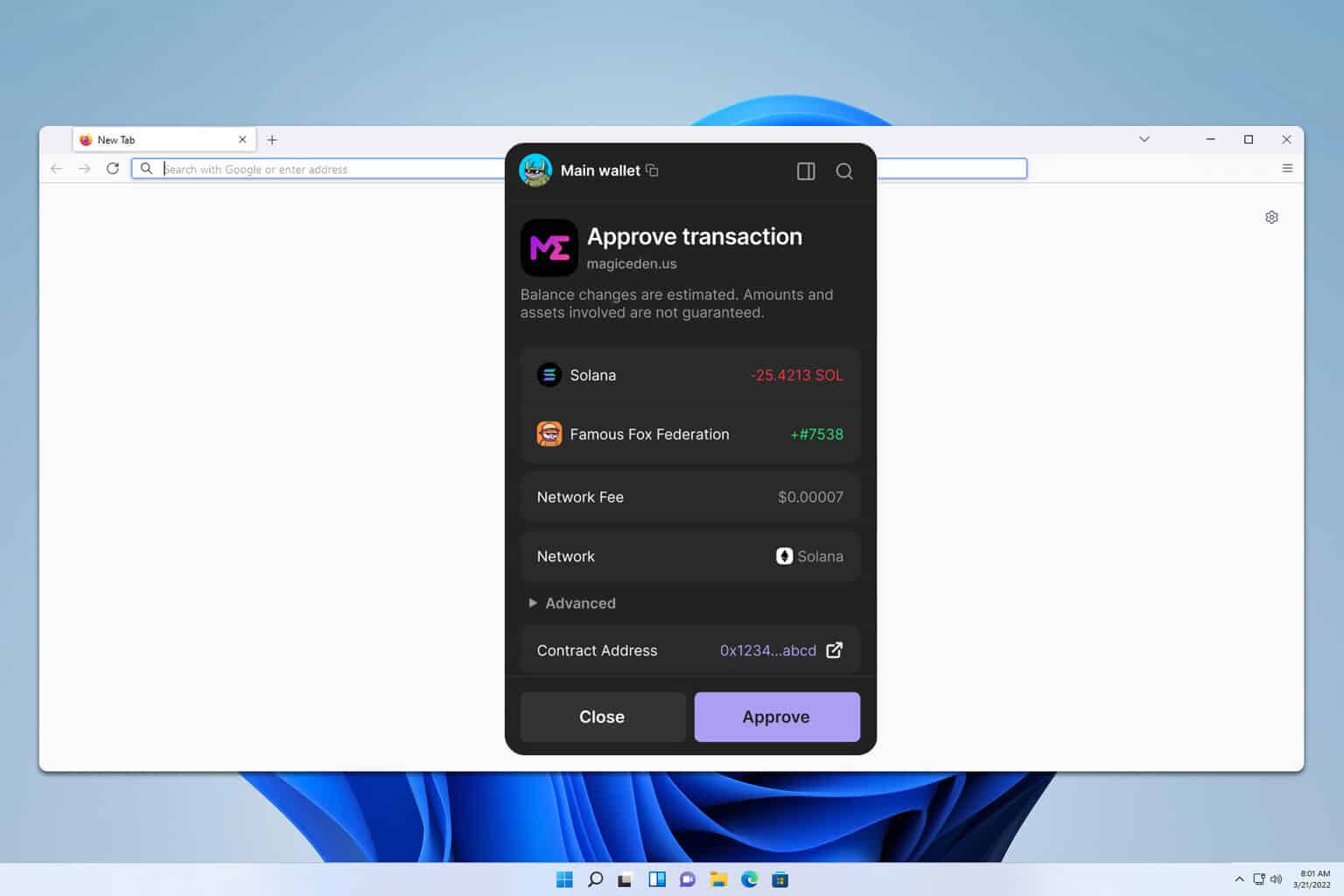
Before approving any request, I pause. A beat. Something felt off about that transaction? Stop. My gut has been right more than once. Look at the dApp domain in the request. Confirm the contract method and amount. Check if the dApp asks to sign multiple messages in a row—phishing often uses rapid dialogs to overwhelm you.
On the technical side, check the RPC endpoint if your extension exposes it. Rogue RPCs can feed bad data (balances that aren’t yours) or show fake confirmations. Stick to trusted public RPCs, or run your own if you can. For advanced users: consider using a proxy RPC or a read-only explorer to verify transaction content before signing.
Also—hardware wallets. If you hold meaningful value, pair the browser extension with a hardware device. The flow may be a little clunkier, but the hardware acts as a final gate: transactions must be validated physically. Worth it.
DeFi interactions — swaps, pools, and what to watch for
DeFi on Solana is thrilling—low slippage, fast trades. But watch permission scopes. When you approve token transfers, note whether the contract requests unlimited allowance. Unlimited approvals are common, but they increase systemic risk. A safer pattern is to approve only what you need for a single swap, though that means approving more often.
Slippage settings matter. Too tight and your swap fails; too loose and you get front-run. Adjust based on pool depth and volatility. And for yield farms: read the fine print. Some farms auto-reinvest, some have withdrawal fees. That matters for strategy and for tax reporting—yes, tax—don’t forget the taxman.
Another thing bugs me: many guides gloss over token wrapping and associated token accounts (ATAs). On Solana, receiving a new SPL token creates an associated account. Sometimes the extension prompts you to create it (and charge a tiny rent). It’s normal. Don’t panic. But do verify the mint address if it’s a new token.
UX tips that make life easier
Customize networks and nicknames in your extension. Rename accounts so you don’t accidentally send funds from the wrong one. Use a tiny “safety buffer” in balances—keep a small amount in the primary account for transaction fees and move bulk funds to cold storage.
When connecting to a dApp, open the dApp in an incognito/private window paired with the dedicated crypto profile. (Oh, and by the way—browser extensions behave differently in profiles, so test.) Keep a clipboard manager that doesn’t sync to the cloud when copying sensitive data. Little stuff like this reduces accidental exposure.
Common questions
Is a browser extension safe enough for large holdings?
Short answer: not by itself. For very large holdings, use a hardware wallet and set the extension to interact only as a signing interface. Keep seed phrases offline. For medium-sized portfolios, follow good compartmentalization and use strong OS/browser hygiene.
What if I connected to a malicious dApp and already approved something?
Act fast. Revoke approvals where possible (some explorers let you do this), move assets to a clean account, and if funds were stolen, track the transaction on a block explorer and consider reporting to the dApp platform or community. Prevention is better, but quick action reduces damage.
How do I verify I’m downloading the real extension?
Check official sources: the project’s website, verified social handles, or respected community links. Avoid random download pages. Again, a trusted place to start is the extension’s official download page like this one: phantom wallet download extension (make sure your browser shows the expected publisher and reviews).
I’ll be honest—this space is equal parts exhilarating and messy. There are good tools, and there are risky shortcuts dressed as convenience. My bias: default to cautious convenience. Use the extension, enjoy the UX wins, but assume each click could be a potential vector unless you verify. That mindset keeps me from making rookie mistakes.
Final thought: the Solana browser extension experience will keep getting better. For now, stay curious, stay skeptical, and keep your seed phrase where even you forget it for a day (seriously). Somethin’ about losing easy access makes you appreciate security—and fewer “uh-oh” nights.