
Whoa! I remember the sting of watching a swap go wrong — fees shredded my gains and a gas estimation lied to me. My instinct said “never again,” and for a while I avoided big trades. Then curiosity got the better of me. I dove back into DeFi, but with a different playbook: simulate, inspect, repeat. That change in habit saved me from some dumb losses and, honestly, made interacting with protocols feel less like gambling and more like engineering.
Here’s the thing. DeFi feels liberating and a little reckless at once. Short sentence. You get that rush when a new liquidity pool is hot, and you wanna move fast. But speed kills. I’ve sat through rugpull post-mortems, watched re-entrancy nightmares unfold, and learned to respect the friction that a good wallet can add to my workflow. At first I thought a wallet was just a key manager, but then I realized it’s also my last line of defense — a sandbox, a magnifying glass, and sometimes a bouncer that says “not tonight.” Hmm…
Let me walk you through what I look for now when I approach a new DeFi protocol — from pre-trade checks to post-execution sanity checks — and why a wallet that supports transaction simulation and deep risk signals changed how I trade. I’m biased, but these are practical moves I use daily in the Bay Area and on-chain in the dead of night when the price charts scream.
Contents
First: simulation isn’t optional
Seriously? Yes. Simulation is non-negotiable. Short sentence. A simulated transaction tells you how a contract will behave without committing funds, revealing slippage, routing quirks, and unexpected approvals. Medium sentence here. I’ve run simulations that showed swapped routes sending tokens through three different pools that the UI never showed — that would have cost me 2-3% more in slippage if I’d gone blind. Longer thought here: simulations also surface failed conditions, like paused pools or unmet oracle windows, which otherwise would toast your gas for no result and leave you staring at a pending transaction wondering what went wrong.
Initially I thought gas estimates from the UI were fine, but then realized those numbers often assume success and omit the cost of revert. Actually, wait—let me rephrase that: many front-ends don’t simulate failure gas, so your “cheap” transaction can become a very expensive one if the chain reverts. That lesson stuck. My workflow now: simulate first, peel back the layers, only then sign. It’s extra friction, but it’s good friction, like seatbelts.
What I simulate — and why it matters
Short check: slippage routing and approvals. Medium: token path, aggregator behavior, allowance scopes. Long: state-dependent logic (timelocks, oracles, rebases) that may be invisible until you test them. Simulating lets you inspect all these without risk. I once simulated a leveraged position that would have triggered a liquidation immediately because the protocol used a stale price feed — simulation caught the stale feed. Whew.
Another subtle thing that bugs me: approvals. A wallet that shows exactly which contract and allowance you’re granting — and lets you set granular limits — changes the game. I’ll set a 1-token allowance for odd interactions and a higher allowance only for trusted contracts I use frequently. Somethin’ as small as that can reduce risk exposure dramatically.
Security features I look for in a modern wallet
Short: transaction simulation. Medium: clear approval management and local signature verification. Long: UI cues that explain why a transaction might fail and risk signals tied to on-chain heuristics. Those heuristics — like newly created contract checks, excessive token minting flags, or unusual routing patterns — give you time to stop and think. On one hand, some alerts are noisy; though actually, the better wallets tune them so signal-to-noise stays useful.
I’ll be honest: I like tools that nudge me. A soft warning that a contract was deployed minutes ago? Yes please. A hard stop if a function has admin privileges that can mint tokens at will? Absolutely. Not every warning is a doom bell, but they force a pause — which is exactly what you want when your brain is already sold on FOMO.
How I assess protocol risk — a simple checklist
Short: who can mint? Medium: audit history and time-locked admin actions. Longer: economic design risks like peg dependency, oracle centralization, and composability cascades. Check the docs, read recent commits, and skim issue trackers. On-chain signals like large owner wallets and recent contract upgrades matter a lot. Also check activity: a protocol with steady blue-chip TVL is different from one with a sudden liquidity spike (which often precedes an exit).
Oh, and by the way, look at the code if you can. I’m not saying you need to be a solidity ninja. But a quick grep for “owner” or “mint” often tells you more than a slick marketing deck. I’m not 100% sure I’m catching everything, but over time you build a radar for what smells off — and that radar saved me from backing an obviously centralized stablecoin that had warm fuzzies in the PR but a tiny multisig with no time-lock in practice.
Why the right wallet matters: a real example
Okay, so check this out — I was about to provide liquidity to a new pool. The UI made it look like instant profit. Wow! I simulated the transaction in my wallet first. The simulation flagged a route that cleverly used a low-liquidity pair as a middleman. Medium sentence. That pair could be sandwiched easily, and the little simulation preview showed a potential MEV front-run scenario. Long sentence that ties it up: because my wallet can run preflight simulations and show me the exact calldata, I avoided an immediate 4% invisible slippage loss, canceled the transaction, and then restructured my approach to use a different aggregator and different gas timing.
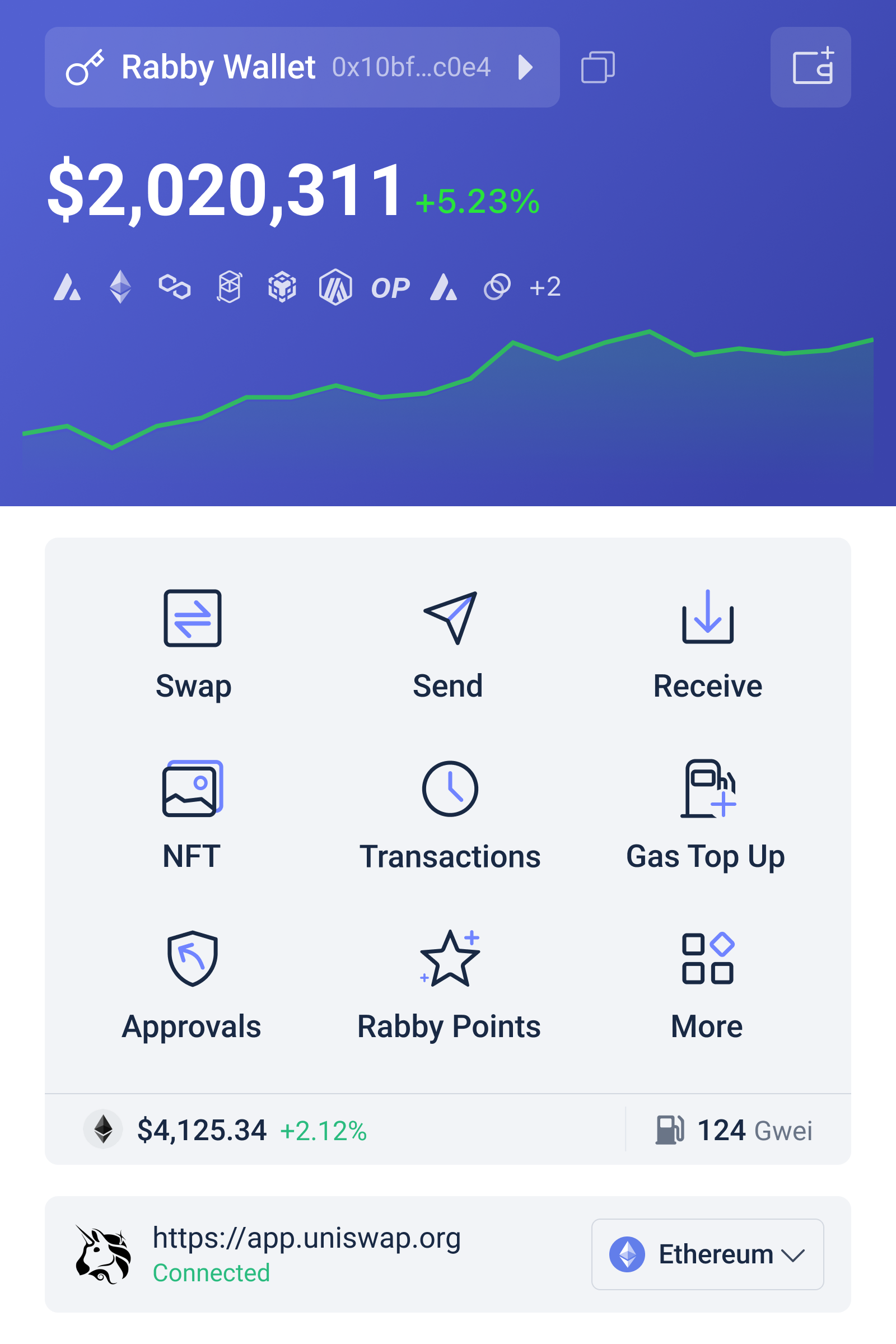
This is why I recommend tools that integrate deep simulation into the signing flow. It transforms a wallet from a keyholder into a risk manager. A good example is the rabby wallet which bundles simulation, approval management, and clear risk signals together in a way that feels designed for traders who actually care about edge cases. I’m not paid to say that; it’s just how I work.
Common questions I get
Do simulations guarantee safety?
No. Simulations reduce unknowns but don’t eliminate every risk. Smart contracts evolve, external oracles can misbehave, and MEV isn’t fully predictable. Still, simulating reduces blind spots and often catches the low-hanging disasters that cost real money. I’m biased, but I’d rather have that extra look than none at all.
How often should I audit a wallet’s approvals?
Quick answer: monthly for heavy users, quarterly for casuals. Longer answer: after any big interaction, and definitely before moving large sums. Clear out stale approvals. It takes a few clicks and it helps lock down exposure — very very important.
At the end of the day, DeFi rewards curiosity and punishes haste. My emotional arc here went from naive excitement to cautious optimism. I still love the upside, but now I bring tools that slow me down just enough — transaction simulation, approval control, and protocol heuristics — so that wins are real and losses are recoverable. Something felt off at first, but that pause made all the difference. I keep learning, I keep testing, and I still make mistakes… though fewer than I used to.